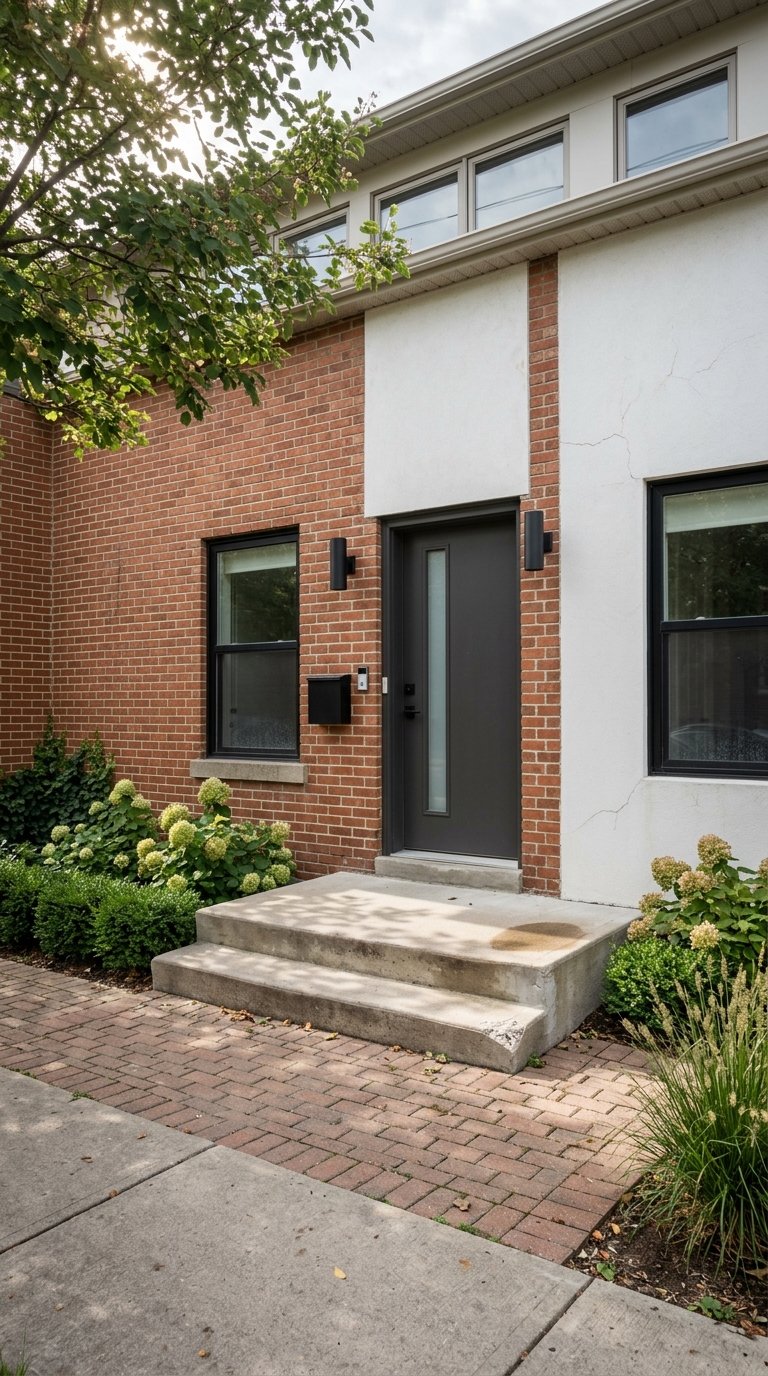
If you are looking for a value-add multifamily deal in Middlesex County, the big opportunity is not chasing flashy luxury projects. It is finding older properties with real operational or layout problems in a market where renter demand, affordability pressure, and transit access still support thoughtful improvements. If you know what to look for, you can spot properties where smart upgrades may create stronger income and a more competitive asset. Let’s dive in.
Why Middlesex County Stands Out
Middlesex County gives you something every value-add investor wants: scale, density, and steady housing demand. The county has 890,119 residents, 319,979 housing units, and a population density of 2,791.4 people per square mile, which supports an active and deeply used housing market.
The local income picture also matters. Median household income is $111,549, while median gross rent is $1,871. Those numbers suggest a renter base that can support improved units, but they also point to ongoing affordability pressure that shapes what kinds of renovations are most likely to work.
County planning documents show this is not a market built on speculation alone. Middlesex County continues to face the need for more housing as population grows, even though the housing-to-population ratio is only slightly above state and national levels. That makes the county a demand-supported environment where well-located older stock can still offer upside.
Focus on Older Multifamily Stock
The strongest value-add deals in Middlesex County are often older assets that need more than cosmetic cleanup. County housing data shows that 59.4% of occupied housing stock was built before 1980, and 21.7% was built before 1950. That age profile creates room for updates that improve function, efficiency, and tenant appeal.
The county’s inventory mix also helps narrow your search. While detached homes make up the largest share of housing stock, there is still meaningful multifamily inventory with 12% in 2-4 unit properties, 14% in 5-19 unit buildings, and 9% in 20+ unit properties. For many buyers, that means the best targets are older 2-4 family homes, smaller apartment buildings, and mixed-use properties in denser sections of the county.
These property types are often easier to reposition than starting from the ground up. In a supply-constrained market, buying an existing building with fixable issues can be a more practical path to value creation.
What “Value-Add” Really Means Here
In Middlesex County, value-add should mean solving real problems inside the property. It is not just fresh paint, new flooring, or surface-level updates. The better strategy is improving the parts of a building that affect daily use, leasing strength, and long-term operating performance.
A more effective renovation plan may include:
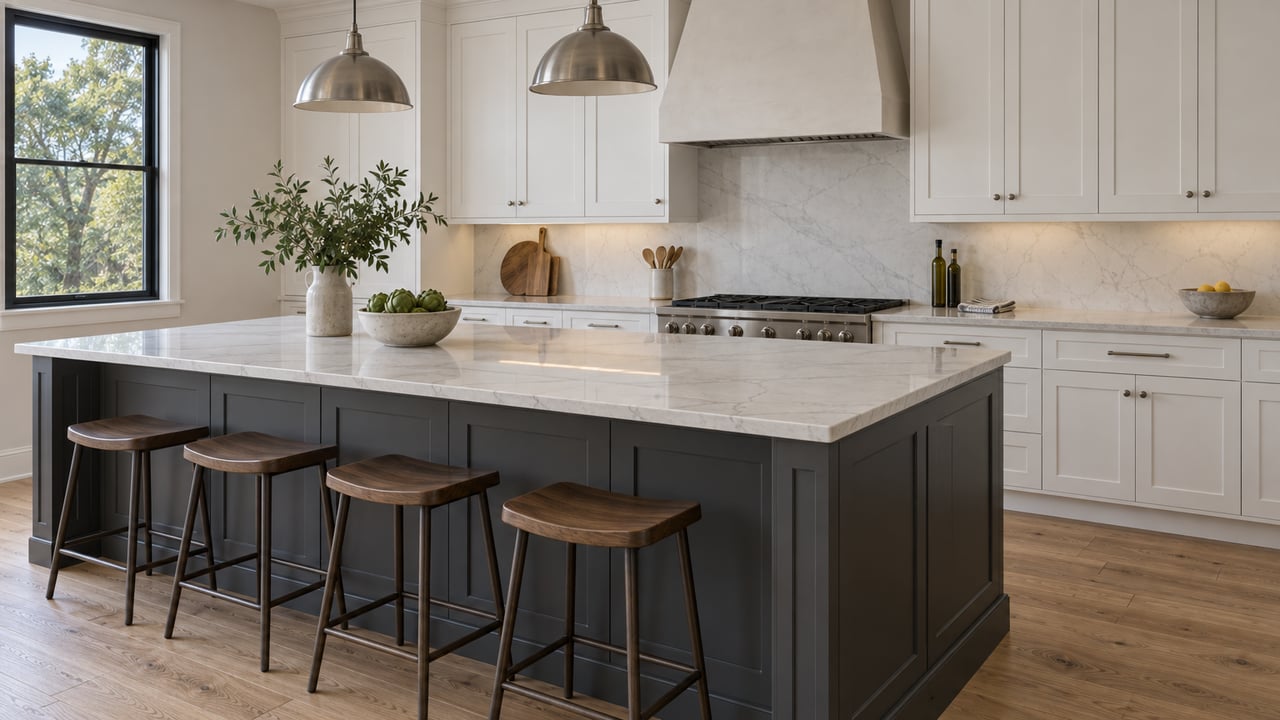
- Updating dated kitchens and bathrooms
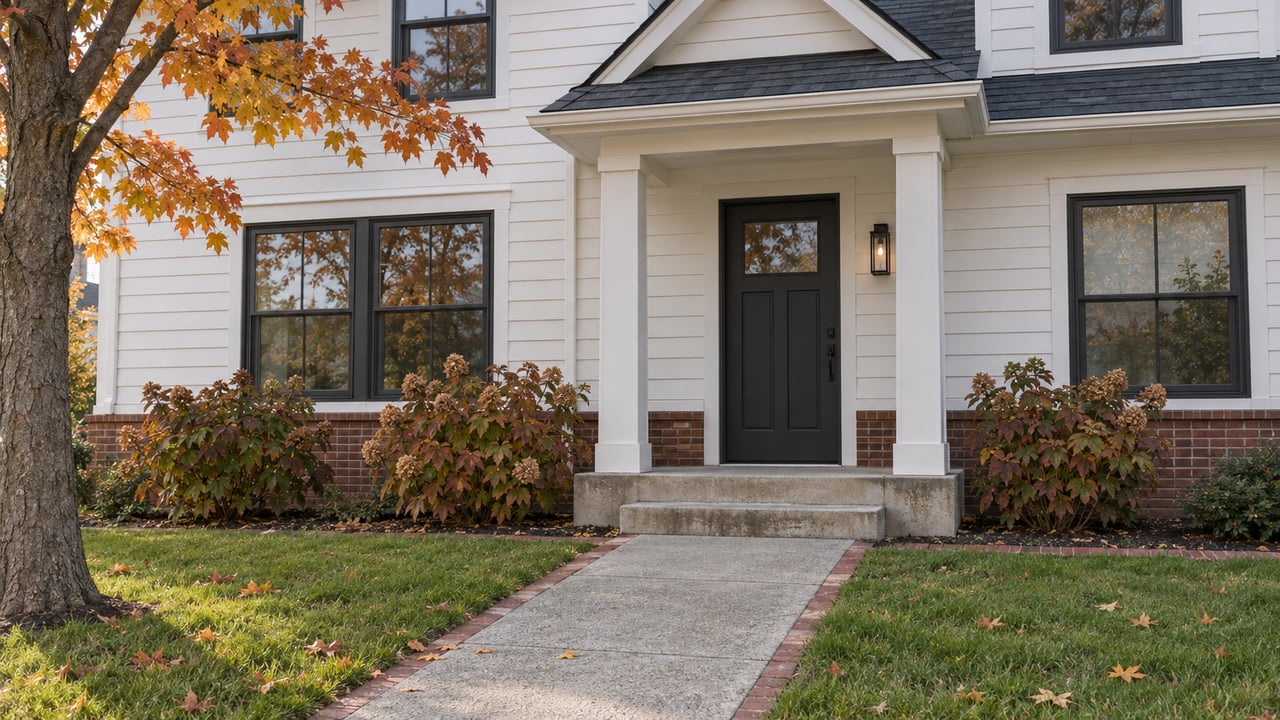
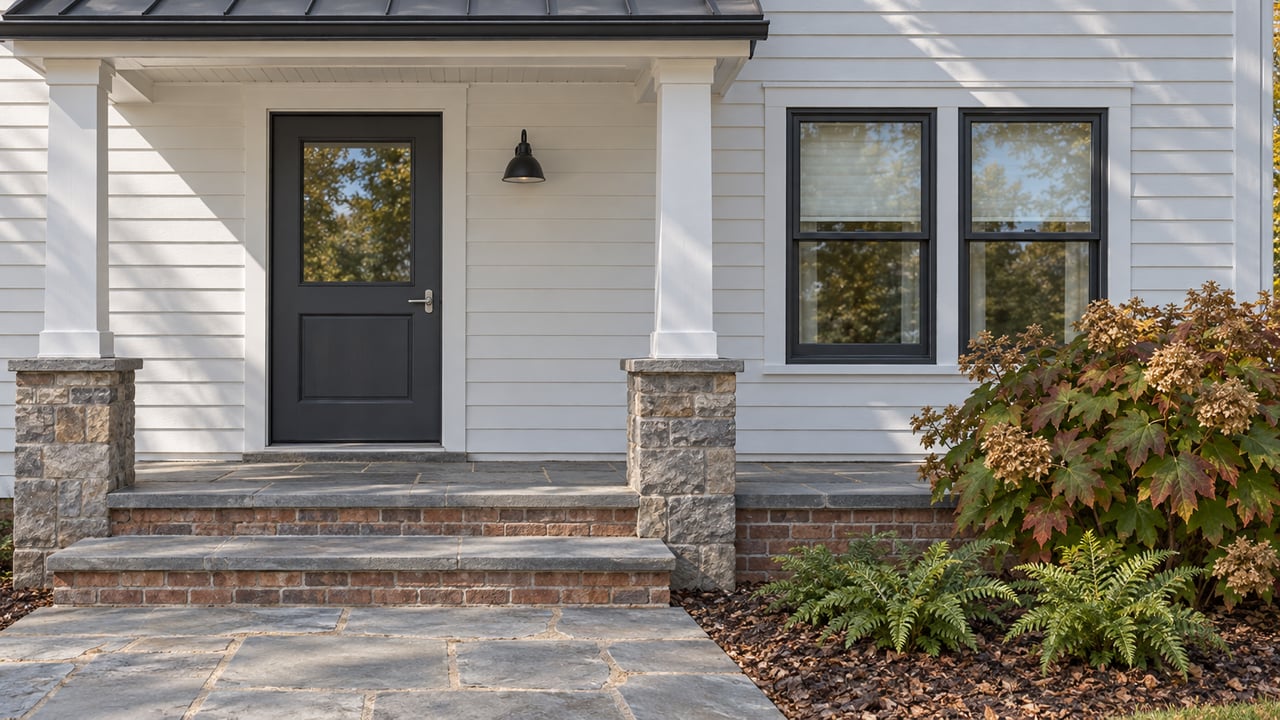
- Improving exterior appearance and entry experience
- Reworking layouts to make units more functional
- Creating more efficient floor plans where possible
- Adding energy- and water-efficiency upgrades
This matters because not every renovation produces the same rent response. Research cited in the market context shows that basic cosmetic work alone is usually not enough to count as a substantive renovation. The bigger payoff often comes from fixing awkward layouts, replacing worn-out systems, and making units work better for how people actually live.
Follow the Renter Demand Signals
A strong value-add deal starts with understanding who is renting in the county and what kinds of units are needed. In Middlesex County, renter households are heavily concentrated in smaller units, with 37% in one-bedroom units and 40% in two-bedroom units.
At the same time, the county has identified a pronounced need for 3-bedroom and larger rental units for households that cannot afford to buy. That mismatch can create opportunity if a building allows for unit reconfiguration, better use of space, or layouts that meet local demand more closely.
Most households in the county are small families, followed by senior households. That supports a practical middle-market strategy focused on efficient one- to three-bedroom rentals instead of assuming that only higher-end or oversized units will perform.
Why Affordability Pressure Creates Opportunity
Middlesex County has real housing cost pressure, and that affects how value-add investors should think. County data shows that 31.3% of all households are cost-burdened. Among households earning at or below the county median income, 66.9% are cost-burdened or severely cost-burdened.
Renters feel that pressure even more. The county reports that 55.9% of renters are cost-burdened, compared with 32.6% of owners. Only 29.5% of rental units are affordable to low-income households, and 39.3% are affordable to moderate-income households.
For you as an investor, this does not mean every renovated unit should chase top-of-market rents. It means improvements need to solve a real functional problem. A better kitchen, smarter layout, or lower utility bill can be more meaningful in this market than upgrades that simply make a unit look trendier.
Look Near Transit and Downtown Corridors
Location still drives the deal, and in Middlesex County, transit-adjacent and mixed-use areas deserve close attention. New Jersey defines transit-oriented development as compact, mixed-use neighborhoods around transit stations, and state planning notes that these areas can improve accessibility and reduce auto dependence.
Several Middlesex County municipalities are part of New Jersey’s Transit Village program, including South Amboy, Metuchen, New Brunswick, and Dunellen. For value-add buyers, that makes these types of locations worth a closer look, especially where older multifamily or mixed-use stock sits near rail service, walkable downtown blocks, or established commercial corridors.
The broader county planning framework also supports growth in well-connected locations and mixed-use development outside flood-prone areas. In practical terms, the more interesting repositioning candidates are often on main streets and near stations, not isolated in lower-connectivity pockets.
Red Flags to Watch During Underwriting
A deal can look attractive on paper and still disappoint if the renovation scope is unrealistic. That is especially true in older properties where hidden issues can affect timelines and costs.
As you review a potential acquisition, pay close attention to:
- Whether the current layout limits rent potential
- The condition of kitchens, baths, and major systems
- Whether utility costs are hurting operating performance
- If the building can support legal and practical improvements
- The property’s proximity to transit, downtown services, and mixed-use activity
You should also evaluate whether the upside depends on meaningful renovation work or just optimistic rent assumptions. In this market, the stronger deals usually have a clear story: an older property in a demand-supported location with outdated features that can be improved in a way renters will actually value.
Permits Can Make or Break the Plan
Before the upside is real, the deal has to work under New Jersey’s permitting rules. The state’s Uniform Construction Code requires permits for new construction and for many types of work on existing buildings, including structural, plumbing, mechanical, and electrical work, as well as enlargement, repair, renovation, alteration, reconstruction, or demolition. Ordinary maintenance is the main exception.
That matters if your business plan involves moving walls, reworking layouts, changing unit count, or converting mixed-use space. The local enforcing agency reviews permit applications, and a certificate of occupancy is issued after final inspection. In other words, permit timing and code review should be part of your underwriting from the beginning, not an afterthought.
This is one area where local experience matters. A property that looks like a simple repositioning project can quickly become more complex once you account for approvals, inspections, and final signoff.
A Practical Value-Add Strategy for Middlesex County
If you want a simple framework, focus on older multifamily or mixed-use properties where improvements can solve functional issues in a location supported by renter demand. Middlesex County’s housing stock, affordability gap, and transit-oriented planning all point in that direction.
A practical target often looks like this:
- Older 2-4 family, small apartment, or mixed-use building
- Built before 1980 and functionally dated
- Near a train station, downtown corridor, or established mixed-use area
- In need of layout, kitchen, bath, or system upgrades
- Able to benefit from efficiency improvements that reduce monthly costs
That kind of deal fits the county better than a speculative luxury story. It also gives you a more grounded path to value creation, because the upside is tied to real housing demand and real property problems you may be able to fix.
Why Local Guidance Helps
Value-add multifamily deals are won before closing. You need the right property, the right location, and a realistic understanding of renovation scope, market demand, and resale or rental positioning. In Middlesex County, that often means looking closely at older buildings, mixed-use opportunities, and distressed or underperforming assets where hands-on insight matters.
B.Quest Realty understands how to evaluate properties with repositioning potential across central New Jersey, including multifamily and mixed-use assets. With practical construction and design insight, local market knowledge, and experience around complex transactions, the team can help you identify opportunities and avoid deals where the numbers look better than the reality. If you are exploring your next investment move in Middlesex County, connect with BQUEST Realty to start the conversation.
FAQs
What makes a multifamily deal value-add in Middlesex County?
- A value-add deal in Middlesex County is usually an older property where you can improve layout, condition, efficiency, or operations in a way that better matches local renter demand.
What types of multifamily properties are most promising in Middlesex County?
- Older 2-4 unit properties, small apartment buildings, and mixed-use buildings in denser, well-connected areas are often the most practical value-add targets.
Why are transit locations important for Middlesex County multifamily investing?
- Transit-adjacent areas like South Amboy, Metuchen, New Brunswick, and Dunellen can offer stronger accessibility, mixed-use activity, and demand support for repositioned rental properties.
How old is the housing stock in Middlesex County?
- County data shows that 59.4% of occupied housing stock was built before 1980, and 21.7% was built before 1950, which creates opportunity for repositioning older buildings.
What should you check before renovating a multifamily property in New Jersey?
- You should review permit requirements, construction scope, layout limitations, system condition, and whether your planned changes will need approval under New Jersey’s Uniform Construction Code.