Thinking about flipping a house in Monmouth County? The opportunity is real, but so is the margin pressure. In a market where many buyers expect move-in-ready homes and listings often sell close to asking price, your numbers need to work before you ever pick up a hammer. This guide will walk you through what makes fix-and-flip investing in Monmouth County attractive, where the risks tend to hide, and how to think more clearly about buying, renovating, and reselling in places like New Monmouth. Let’s dive in.
Why Monmouth County Attracts Flippers
Monmouth County has a strong owner-occupant buyer base, which matters if your exit strategy is a resale rather than a rental hold. Census QuickFacts reports 651,035 residents, a 75.6% owner-occupied housing rate, a median household income of $124,845, and a median owner-occupied home value of $606,100. That mix supports demand for updated homes that feel clean, functional, and ready for immediate move-in.
At the same time, this is not a loose market where bad pricing gets forgiven. As of April 2026, Realtor.com reported a countywide median listing price of $789,450, a median sold price of $732,995, 2,827 active listings, and a median 33 days on market. Redfin also reported a March 2026 median sale price of $727,000 and 27 days on market, which points to a market that still moves, but rewards discipline.
What New Monmouth Tells You
New Monmouth deserves a close look because it sits in a price range that can appeal to a broad resale audience. Realtor.com reported a median listing price of $754,950 and a median 23 days on market there. That is a fairly quick pace, but it also leaves limited room for inflated after-repair value assumptions.
For a flip in New Monmouth, that means your safest approach is usually to buy well, keep the scope practical, and price from recent sold comps rather than from the highest active listing you can find. In a near-ask market, over-improving a property can hurt just as much as under-renovating it. Buyers may pay for quality and condition, but they do not always pay extra for highly personal design choices.
Market Speed Varies Across Monmouth
One of the biggest mistakes investors make is treating Monmouth County like a single market. It is not. Days on market and price points can shift meaningfully from one area to another.
Recent submarket data showed New Monmouth at 23 days on market, Middletown at 24, Freehold at 33, Manalapan at 36, and Long Branch at 53. That spread suggests that lower-to-mid price bands and inland or close-in suburban locations may offer a smoother resale path than higher-end coastal or luxury-style exits.
If you are comparing projects, speed matters almost as much as gross resale value. A more expensive home with a longer resale timeline can create extra tax, insurance, utility, and financing costs that eat into profit. A smaller spread with a faster, cleaner exit can sometimes be the better deal.
Older Housing Stock Creates Opportunity
Monmouth County has the kind of housing stock that often attracts value-add investors. County planning data show that 66% of housing units are 1-unit detached homes, and county housing analysis notes that 57% of owner-occupied units and 62% of renter-occupied units were built before 1980. Older single-family homes often give you a clear renovation story, especially when layout, finishes, or systems feel dated.
That said, older homes can also carry more hidden risk. You may run into aging roofs, windows, siding, outdated kitchens and baths, or behind-the-wall issues that do not show up during a quick walk-through. The opportunity is real, but the inspection and scope review matter even more here.
The Best Value-Add Improvements
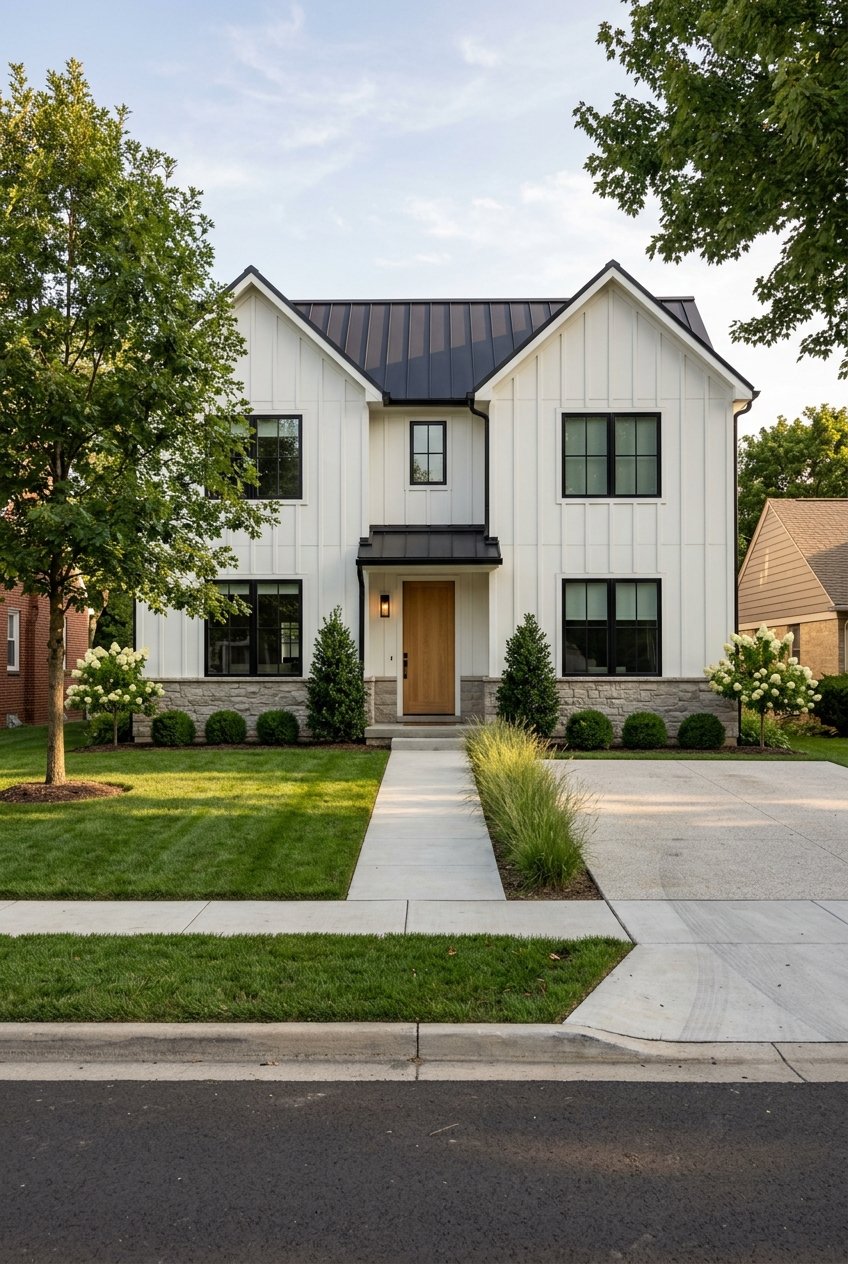
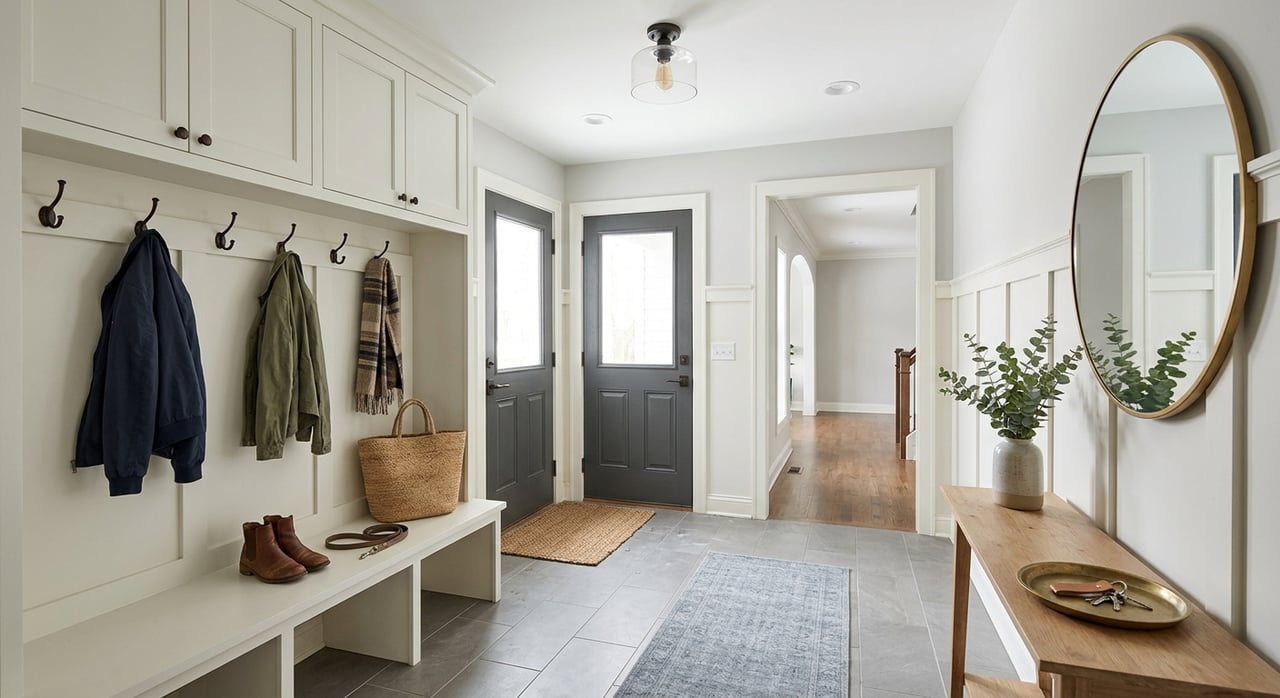
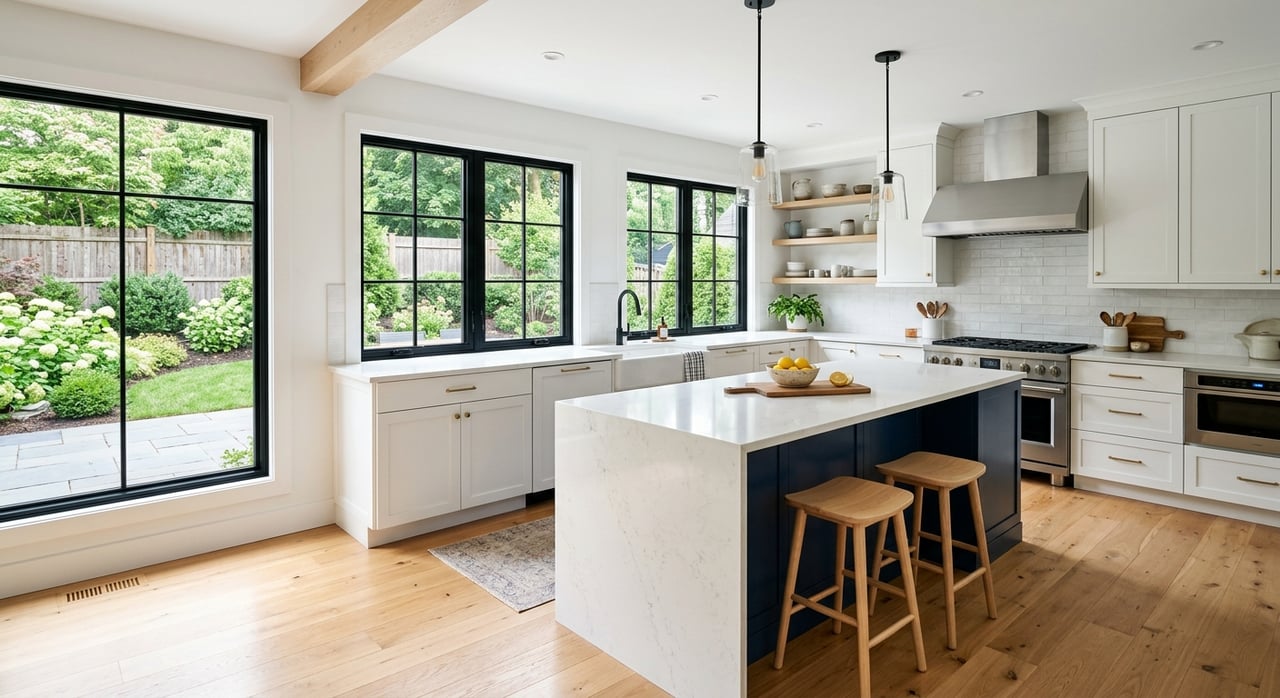
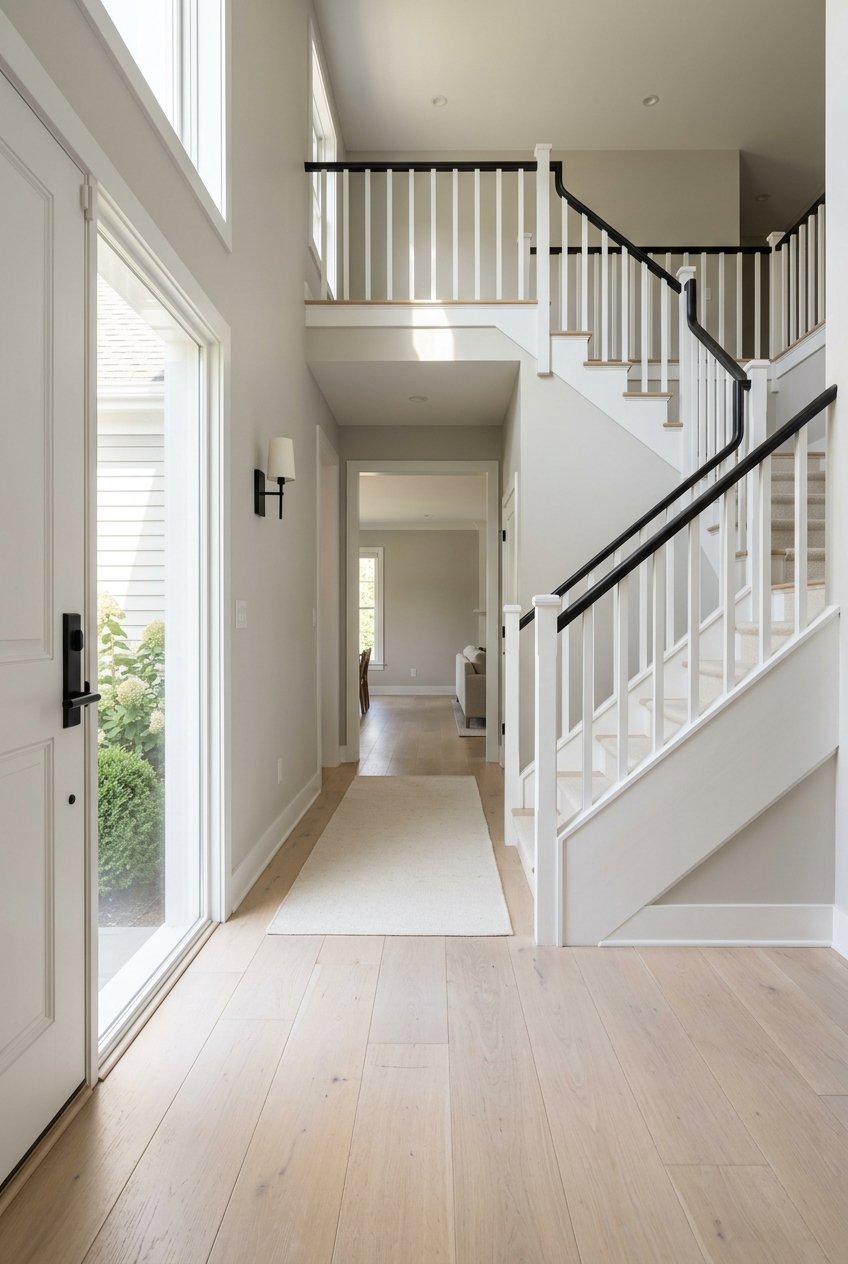
In Monmouth County, broad-appeal upgrades usually make the most sense. Because the resale market is still heavily owner-occupant and homes often sell close to list price, the winning formula is often a clean, tasteful rehab that feels easy for the next buyer to live in.
The most defensible scope often includes:
- Kitchen modernization
- Bathroom updates
- New flooring
- Fresh paint
- Updated lighting
- Curb appeal improvements
- Roof, siding, or window replacement when needed
- Selective layout improvements
This kind of work tends to support value without pushing you too far into over-customization. A flip should usually feel finished and current, not overly specific to one taste.
Permits Can Affect Your Timeline
A project that looks cosmetic on paper can still involve permits and inspections. The New Jersey Department of Community Affairs states that local construction officials issue permits for new construction, additions, and alterations, including examples such as new roofs and repairs to existing structures. That means your construction timeline may depend not just on contractor availability, but also on municipal review and closeout.
For investors, this matters in two ways. First, permit delays can extend carrying costs. Second, unfinished permit issues can create problems when you go to market, especially if buyers or their representatives ask for documentation during due diligence.
A smoother resale often starts with a cleaner paper trail. If you are planning a flip, it helps to think about permit closeout and inspection completion as part of your resale prep, not as an afterthought.
Lead Paint Rules Matter in Older Homes
Because so much of the county’s housing stock predates 1980, lead-related compliance deserves attention early. EPA states that its Renovation, Repair and Painting rule applies to paid renovation work in pre-1978 housing, including situations where someone buys, renovates, and sells homes for profit. EPA also states that buyers and renters of most pre-1978 housing must receive lead-based paint disclosure information before signing.
In practical terms, older properties should be approached as potential lead-risk homes until you have better documentation. If your crew, timeline, or budget does not account for lead-safe procedures where required, your holding period and renovation cost can shift quickly.
Flood Review Is Essential Near the Coast
Monmouth County’s shoreline is part of what makes the area desirable, but it can also complicate a flip. The county has 27 miles of sand beaches and 26 miles of bay coastline. That means flood zone, elevation, and insurance review should be part of your purchase analysis, especially in coastal or low-lying submarkets.
FEMA’s Flood Map Service Center is the official public source for flood hazard information, and the New Jersey Department of Environmental Protection states that New Jersey’s Flood Hazard Area Control Act requires the best available recent data. NJDEP also notes that the Uniform Construction Code defers to ASCE 24-14 for freeboard requirements.
If your project triggers local substantial-improvement rules, flood compliance can change both cost and timing. Before you close, it is smart to understand whether the location adds insurance burden, construction restrictions, or elevation-related issues that could affect your numbers.
Carrying Costs Can Erode Profit
In Monmouth County, carrying costs deserve more attention than many investors give them. Property taxes alone can take a noticeable bite out of returns on a short-term hold. The 2025 state average residential tax table showed a Monmouth County average tax bill of $11,664, with Middletown Township at $11,666 and Long Branch at $12,635.
Even if your construction goes well, every extra month of ownership can chip away at profit through taxes, insurance, utilities, financing, and maintenance. That is one reason quick resale markets still require careful project management. Your margin does not come from fast market conditions alone. It comes from controlling the time between acquisition and closing.
How to Underwrite More Carefully
A well-priced flip in Monmouth County may sell in about a month once listed, based on countywide days-on-market data of roughly 27 to 33 days. But that does not mean your project is a 30-day investment. The real clock includes acquisition, inspections, scope development, contractor scheduling, permits, renovation work, punch-list items, and pre-listing prep.
In New Monmouth specifically, the combination of a $754,950 median listing price and 23-day median days on market suggests a market where buyers respond to well-priced homes, but not to sloppy underwriting. Your after-repair value should be tied to recent sold comps, not optimistic asking prices. Your resale prep should also include finished permits and clear disclosure documents wherever applicable.
The most common threats to profit in Monmouth County are usually not weak demand. They are misreading submarket pricing, underestimating taxes, getting surprised by older-home issues, and missing lead or flood-related costs.
Where BQUEST Realty Adds Value
Fix-and-flip investing is not just about finding a house that looks cheap enough. It is about reading the submarket correctly, spotting construction risk early, coordinating vendors, and planning a resale strategy that fits the buyer pool. In a county like Monmouth, that kind of practical guidance can make a meaningful difference.
BQUEST Realty brings a hands-on perspective that aligns well with value-add projects. With construction and design insight, regional market knowledge, and experience coordinating vendors and sale preparation, the team helps investors think beyond purchase price and focus on execution, timing, and marketability. That is especially helpful when you are weighing whether a project is truly cosmetic or likely to involve bigger issues tied to permits, older housing stock, or location-specific risk.
If you are exploring a flip in New Monmouth or elsewhere in Monmouth County, working with a team that understands both property condition and resale positioning can help you move with more confidence. To start the conversation, connect with BQUEST Realty.
FAQs
What makes fix-and-flip investing in Monmouth County attractive?
- Monmouth County has a high owner-occupancy rate, strong household incomes, and a resale market where homes have recently sold close to asking price, which can support demand for updated, move-in-ready homes.
How fast do flipped homes sell in New Monmouth?
- Recent data showed New Monmouth at a median 23 days on market, but your total project timeline will also depend on acquisition, renovation, permits, inspections, and listing preparation.
What types of renovations add the most value in Monmouth County flips?
- Practical, broad-appeal updates such as kitchens, baths, flooring, paint, lighting, curb appeal, and needed exterior improvements tend to be the most defensible value-add choices.
Why do older homes in Monmouth County need extra due diligence?
- A large share of the county’s housing stock was built before 1980, which can increase the chance of hidden condition issues and trigger added compliance considerations for lead-safe renovation work.
Do Monmouth County flips always require permits?
- Not always, but local construction officials issue permits for many types of alterations and repairs, so even projects that seem straightforward can involve permit review, inspections, and closeout.
Why should investors check flood risk before buying in Monmouth County?
- Because parts of the county are coastal or low-lying, flood zone, elevation, insurance, and possible compliance requirements can affect both renovation cost and resale timing.
How do property taxes affect flip profits in Monmouth County?
- Property taxes can meaningfully raise carrying costs during a short-term hold, so each extra month of ownership can reduce your margin even if the resale price stays on target.