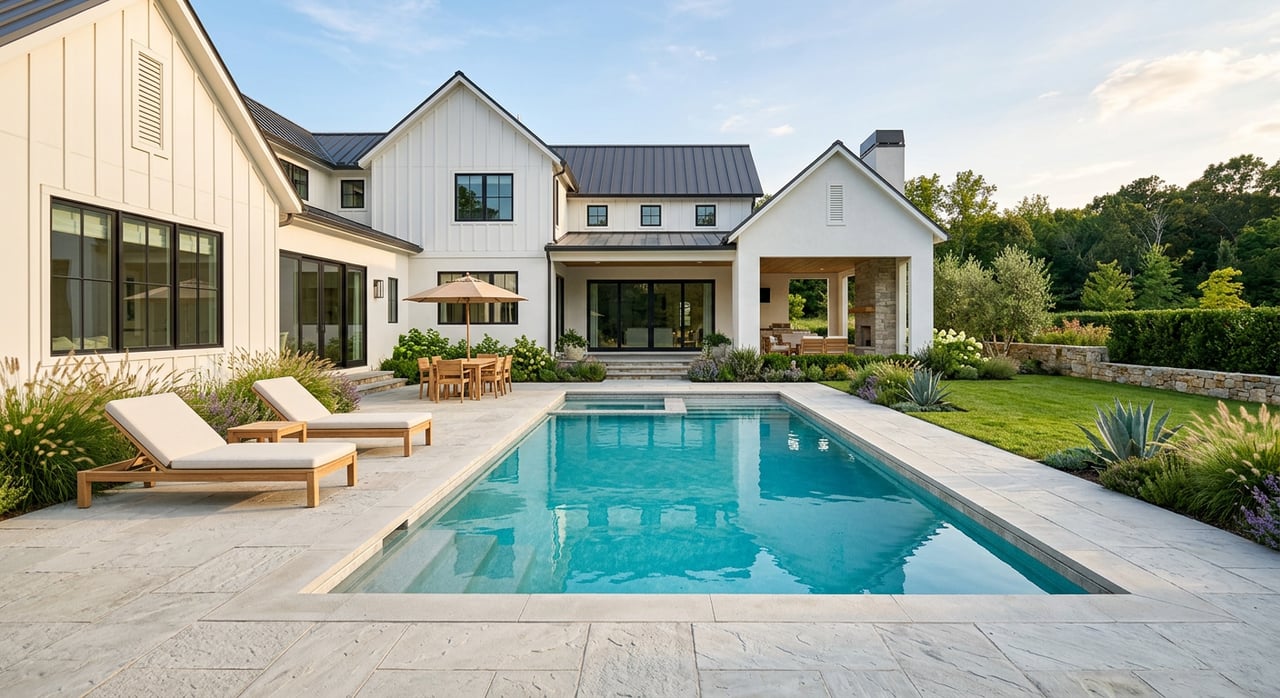
Do you picture sunrise coffee by the ocean, or a quiet backyard with room to spread out? In Monmouth County, you can have either, and sometimes both. If you’re weighing a beach-town address against an inland suburban home like New Monmouth in Middletown, you’re not alone. In this guide, you’ll learn how daily life, commuting, housing types, and costs compare so you can choose with confidence. Let’s dive in.
Monmouth County at a glance
Monmouth County is a large coastal-suburban area with about 643,000 residents, according to the 2020 Census. You’ll find everything from lively boardwalks to quiet cul-de-sacs. Countywide, Zillow’s typical home value is around $740,000, a useful benchmark as you scan towns and neighborhoods. Property taxes are a major factor too, with the county’s average residential tax bill reported at $10,930 for 2024.
- Population context: U.S. Census QuickFacts
- County home values: Zillow Monmouth County overview
- Local price check: Zillow Middletown Township page
- Taxes: NJ Division of Taxation average tax bill
What beach-town life feels like
Beach neighborhoods trade bigger yards for ocean views, boardwalks, and walkable dining. Expect a higher share of condos, townhomes, and historic cottages on smaller lots. Summer brings event weekends, beach badges, and more visitors. Off-season, many coastal towns keep a steady calendar, especially in cultural hubs.
Asbury Park: culture and boardwalk energy
Asbury Park blends a music scene, galleries, and a busy boardwalk with renovated homes and condo living. You’ll feel the rhythm most summer weekends, when events shape parking and crowd levels. Before you commit to a routine, review the city’s beach and boardwalk rules, including seasonal badge details and hours. For current guidance, check the city’s official Beach and Boardwalk page.
Long Branch and Pier Village: oceanfront convenience
If oceanfront walkability is high on your list, Long Branch’s Pier Village area is a major draw. The scene includes restaurants, shops, and a range of condos close to the water. Asking prices tend to rise the closer you get to the ocean, and summer activity can shape your daily routine. Rail access via the North Jersey Coast Line helps balance the commute for New York-bound travelers.
Belmar: classic shore pace
Belmar offers a traditional beach-town feel with boardwalk access and a seasonal calendar. Housing near the water includes smaller single-family homes, duplexes, and some condos. Summer rental demand is common, and you’ll navigate beach tags and paid parking during peak season. Off-season, the pace slows and the shoreline stays central to daily life.
Spring Lake, Sea Girt, Deal, Monmouth Beach: quieter shore living
These coastal communities tend to be calmer, more residential, and often include larger single-family homes. You’ll find fewer boardwalk amusements and more boutique beach culture. Expect higher price points in some areas and a lifestyle focused on beaches, small-town centers, and year-round residential routines. If you prize calm and coastal access, these towns may fit your list.
Inland and suburban living
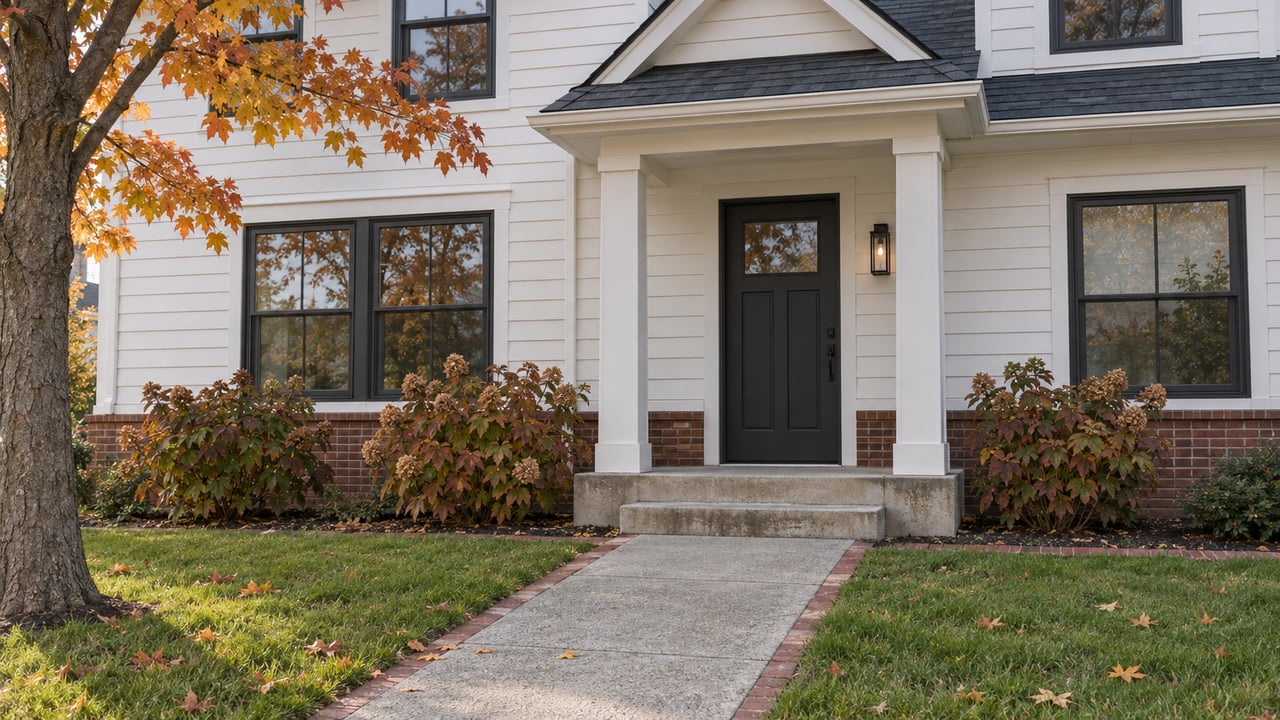
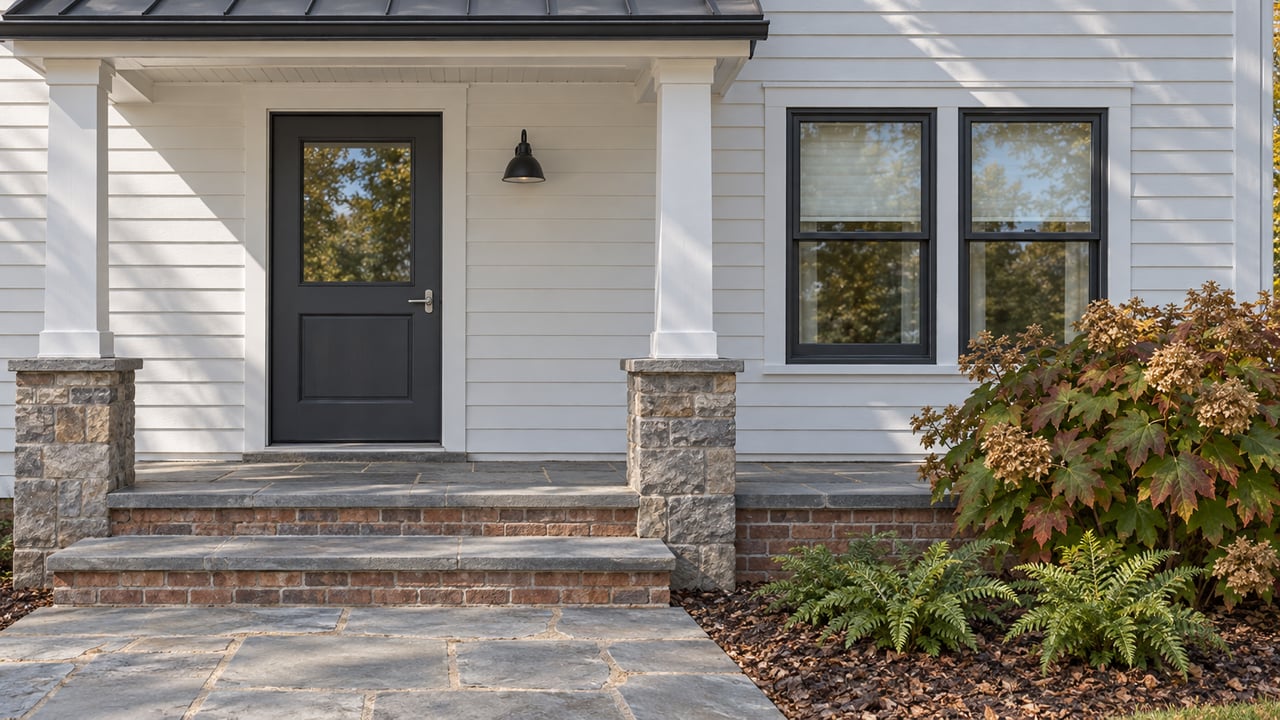
Inland communities favor space, privacy, and driveable convenience to daily services. Many neighborhoods feature larger lots, planned subdivisions, and detached homes. Walkability can vary by subdivision, but grocery, coffee, and everyday errands are typically close by.
Middletown’s New Monmouth: suburban base, coastal access
New Monmouth is a well-known residential area within Middletown Township. It puts you near parks, Route 35 shopping, and multiple commuting options. The Middletown rail station and the Belford ferry terminal offer alternatives to driving, giving you a way to reach Manhattan without a full highway commute. If you like a classic suburban feel with shore access within a short drive, New Monmouth is worth a look.
Holmdel, Marlboro, Colts Neck, Howell, Freehold: room to spread out
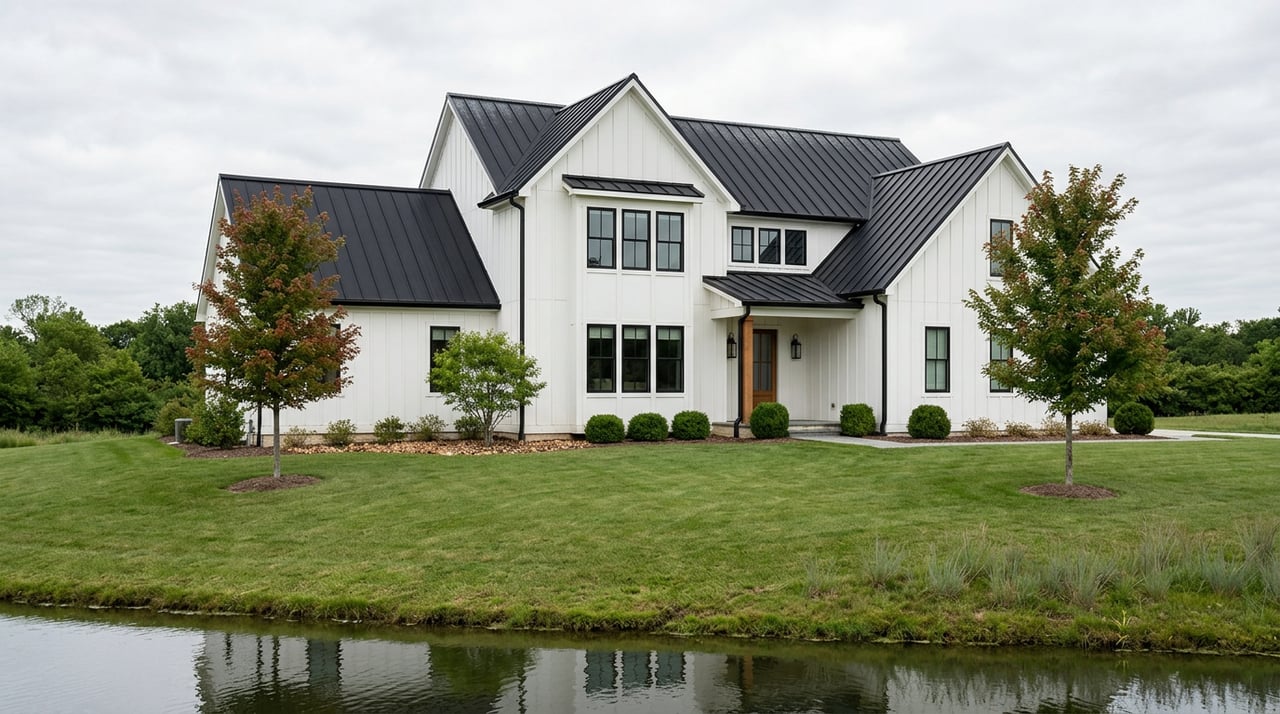
These inland towns typically feature larger lots and newer subdivisions with a suburban layout. You’ll trade immediate beach walkability for space and year-round convenience. Many residents drive to nearby NJ Transit stations or shore towns when they want the ocean, then return to quieter streets at day’s end.
Red Bank: small-town hub with big-night energy
Just inland from the Navesink, Red Bank is known for dining, galleries, and venues like Count Basie Center for the Arts and Two River Theater. Many buyers pair a nearby suburban home with evenings out in Red Bank. It’s a helpful midpoint if you want cultural options plus access to the Coast Line.
Commuting choices you can test
Your commute will likely shape your town shortlist. Many rail trips from Monmouth County to Midtown run about 60 to 90 minutes, depending on station and stopping pattern. Ferries from the Bayshore often arrive faster to Midtown East or downtown at a higher fare. Driving gives flexibility, but summer weekends and event days can add time near the shore.
- Rail: Use the North Jersey Coast Line and review NJ TRANSIT printable timetables to test exact trains. Express and local patterns vary.
- Ferries: From Highlands, Atlantic Highlands, and Belford, check SeaStreak’s port information for routes, parking, and schedules.
- Driving: The Garden State Parkway, Routes 35 and 36, and local arterials connect most towns. Expect heavier traffic near beaches during peak season.
How to test-commute like a pro
- Pick your actual station or ferry terminal and plan a weekday morning trip to Midtown or downtown. 2) Drive and park as you would on a normal workday, noting first-mile time and parking conditions. 3) Time the full door-to-door run, including transfers. 4) Repeat the same route in the evening. 5) Compare cost, predictability, and stress level.
Costs that shape your budget
Home values vary widely by town and proximity to the water. As a baseline, Zillow’s typical Monmouth County home value is about $740,000, with some coastal ZIP codes far above that figure. Property taxes are a major part of the monthly payment, with an average county bill around $10,930 in 2024, and significant variation by municipality. In beach towns, seasonal rental potential can offset costs for some owners, but also adds considerations like permit rules, HOA guidelines, and wear-and-tear.
Year-round livability
Amenities and culture
You can spend a Saturday on Asbury Park’s boardwalk, then head inland for dinner and a show. Cultural offerings, dining, and local events help many suburbs feel lively even in the off-season. If you work from home, prioritize neighborhoods with reliable grocery, café, and connectivity options so your day-to-day stays smooth.
Healthcare access
Proximity to major healthcare is a quality-of-life factor for many buyers. Hackensack Meridian’s Jersey Shore University Medical Center in Neptune serves much of the county with university-level care.
Schools
School systems vary by town. If schools factor into your decision, review district and state report cards and pair that research with a neighborhood visit. An experienced local agent can help you compare boundaries, transportation, and enrollment steps.
Coastal risk and insurance
If you’re shopping near the water, always account for flood zones, elevation, and insurance. Flood maps and advisory elevations are being updated in parts of the county, which can affect coverage and building requirements. Ask for recent insurance figures early, along with any elevation certificates or documents the seller can provide.
How to check flood exposure
- Review FEMA Region II’s ABFE and map update page for coastal updates that affect Monmouth communities.
- Look at long-term sea-level trends at NOAA’s Sandy Hook station to understand planning context: NOAA tide gauge.
- Call your municipal floodplain or planning office to confirm current maps, permits, and elevation requirements for your property.
Quick decision checklist
- Rank what matters most: beach walkability, yard space, commute time, or taxes and schools.
- Do one full morning and evening test commute by the exact route you’d use.
- If considering the shore, confirm flood zone, elevation, and a ballpark insurance quote before you offer.
- Ask about seasonal rules that shape daily life, like beach badges and parking. Asbury Park outlines its beach and boardwalk rules clearly each season.
- Compare town-level taxes, not just the county average, to understand your monthly payment.
Ready to find your fit, from New Monmouth’s suburban streets to the Shore’s salty air? Let’s map your options, run the numbers, and test your commute so you can move with confidence. When you’re ready to take the next step, connect with BQUEST Realty for local guidance and to request your free home valuation.
FAQs
What is the main difference between Monmouth beach towns and inland suburbs?
- Beach towns trade larger yards for ocean access, walkability, and seasonal energy, while inland suburbs usually offer more space, quieter streets, and driveable convenience to daily services.
How long is the commute to New York City from Monmouth County?
- Many rail trips to Midtown run about 60 to 90 minutes depending on station and train pattern, while ferries from the Bayshore can be faster to Midtown East or downtown at a higher fare.
What should I budget for property taxes in Monmouth County?
- The county’s average residential tax bill was reported at $10,930 for tax year 2024, but actual bills vary by town and property, so verify at the municipal level.
Do I need flood insurance if I buy near the beach in Monmouth County?
- If the home is in a high-risk flood zone or has a lender requirement, you will likely need a flood policy; always check current flood maps, elevation, and insurance quotes before you offer.
Which Monmouth County towns offer ferry service to Manhattan?
- Highlands and Atlantic Highlands are key ferry ports, and Belford in Middletown also serves commuters; schedules and parking rules change, so confirm details with the operator before you go.